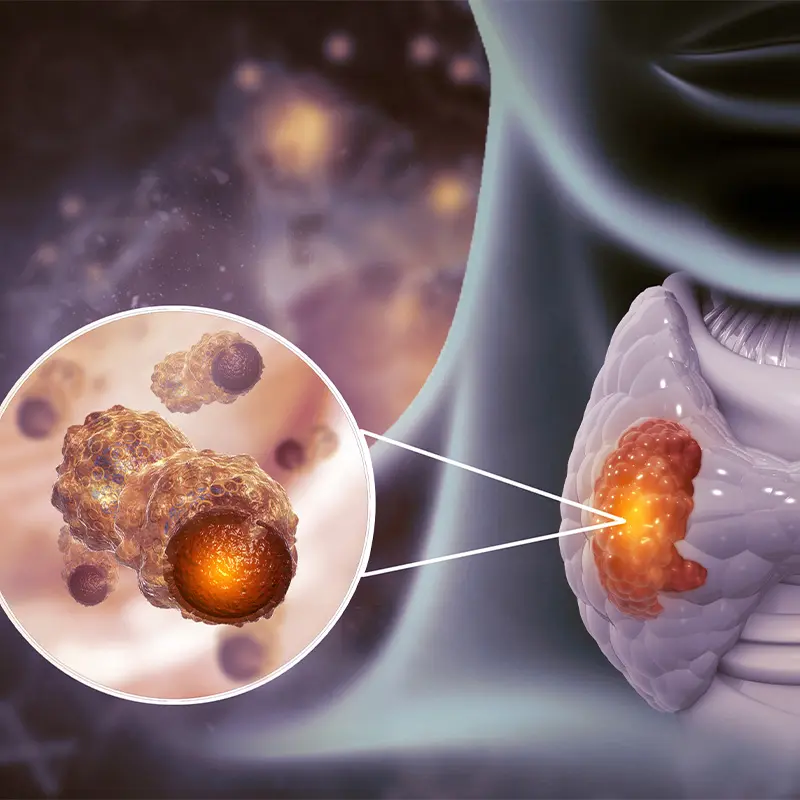
Thyroid Cancer Surgery
A surgical intervention for thyroid cancer involves removing the tumor from the thyroid gland. This can be partial or total, depending on the level of disease spread.

A surgical intervention for thyroid cancer involves removing the tumor from the thyroid gland. This can be partial or total, depending on the level of disease spread.
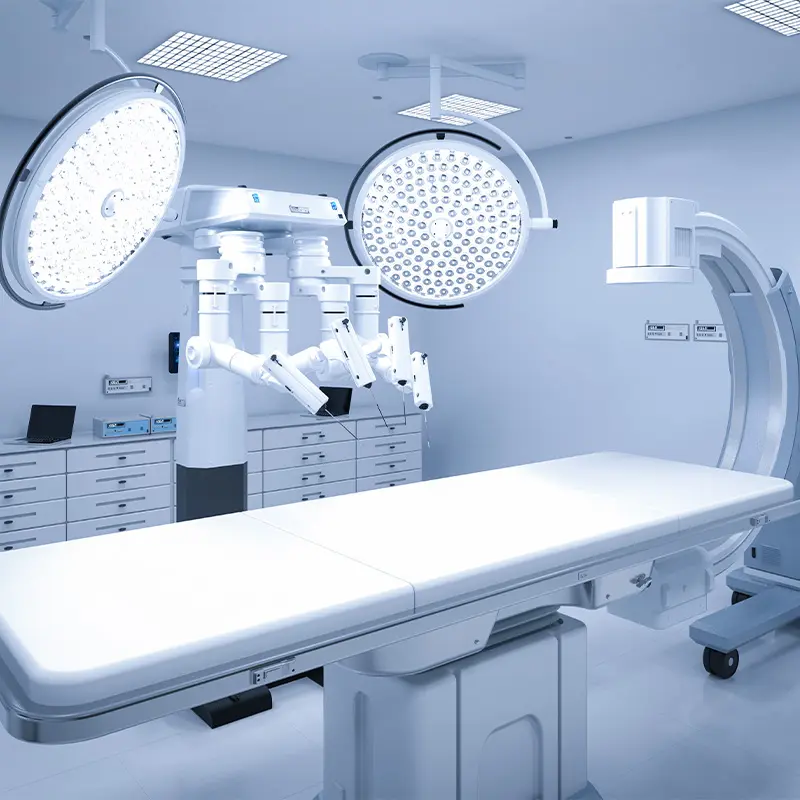
Curative radical surgery involves removing all diseased tissues and a small amount of healthy tissue. This type of surgical intervention is used for oncological conditions in early stages.
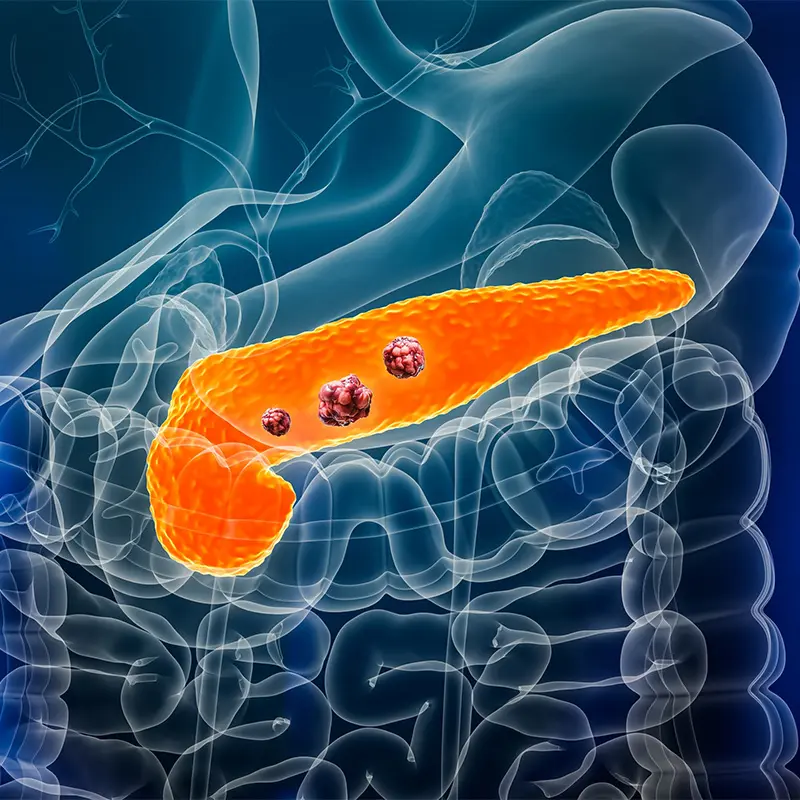
There are several types of surgical interventions for pancreatic cancer. Depending on the case, it may involve the Whipple procedure, pancreatectomy, or laparoscopic surgery. These surgical interventions are complex but have high success rates.
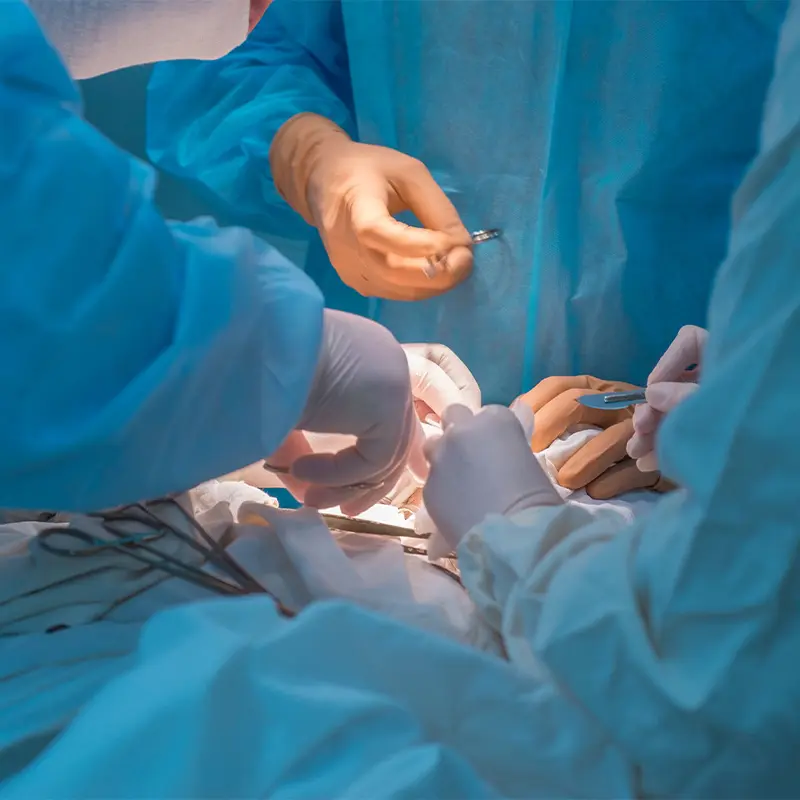
Palliative surgery aims to alleviate symptoms and improve the quality of life for patients with advanced cancer stages. This type of surgical intervention includes reducing tumors to alleviate pain and minimize associated manifestations.
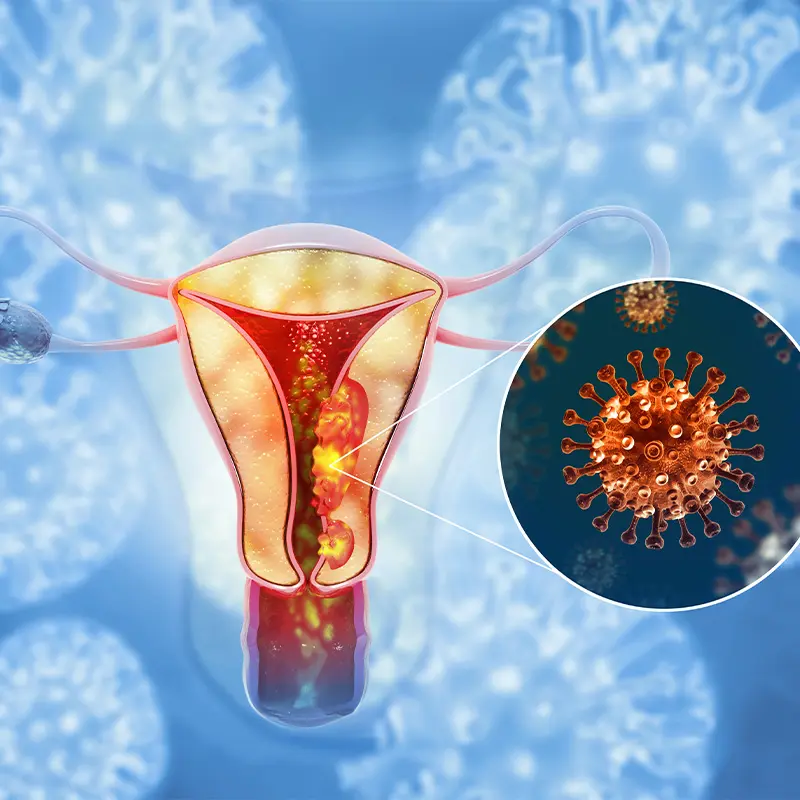
Surgery for ovarian cancer involves removing one or both ovaries, depending on the stage of the disease. In some cases, parts of other organs, such as the fallopian tubes or uterus, may also be removed during surgery.
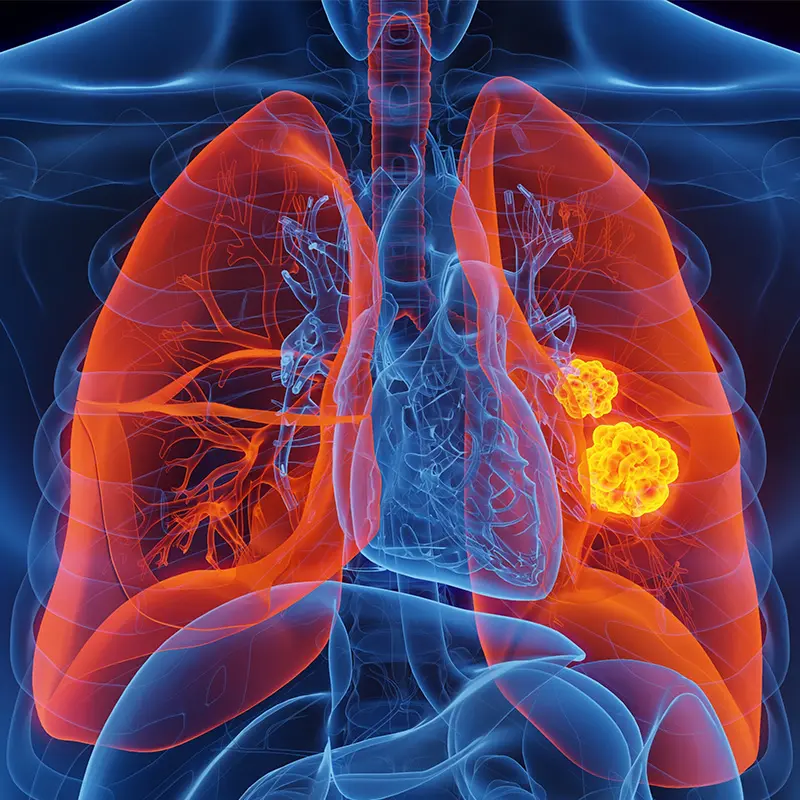
Surgery for lung cancer involves removing the tumor through limited resections, such as lobectomy (removal of a lobe of the lung), to pneumonectomy (removal of the entire lung). The appropriate surgical intervention varies from patient to patient, depending on the stage and location of the disease.
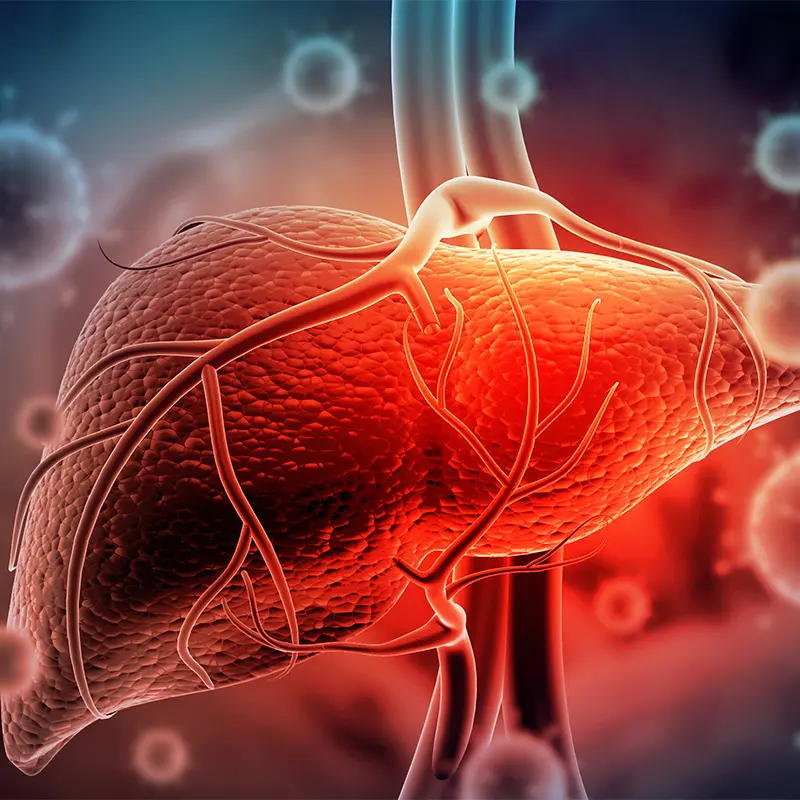
Liver cancer surgery may involve hepatic resection, i.e., the removal of a part of the liver or the entire organ for patients with advanced cancer. In the case of the latter surgical intervention, a transplant is also necessary.
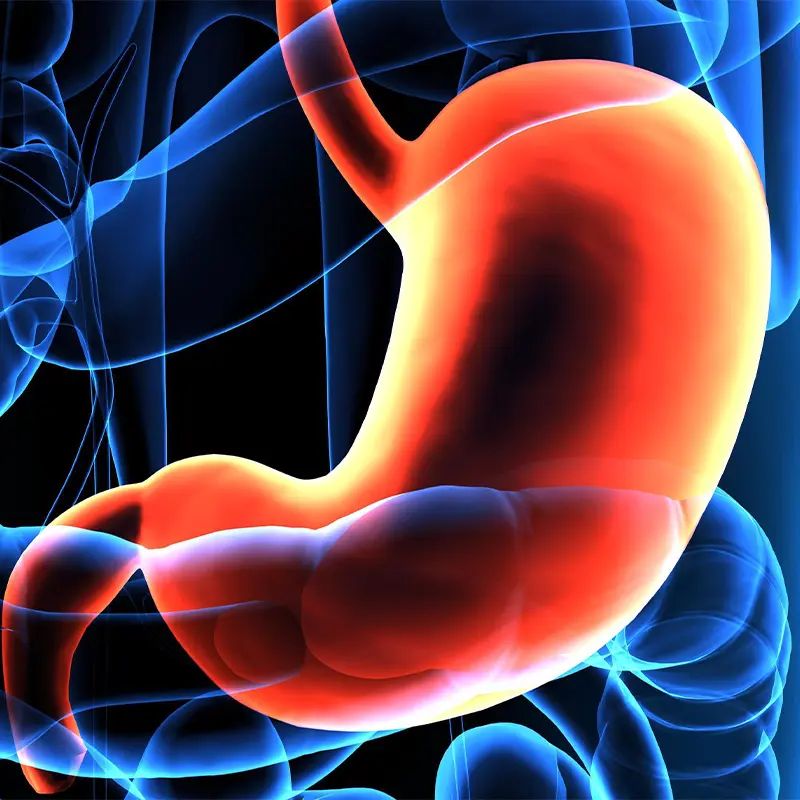
The type of surgical intervention used to treat gastric cancer is gastrectomy, which can be partial or total. During these procedures, neighboring lymph nodes are also removed, and the main purpose of the surgery is the complete elimination of the tumor for the efficient healing of the patient.
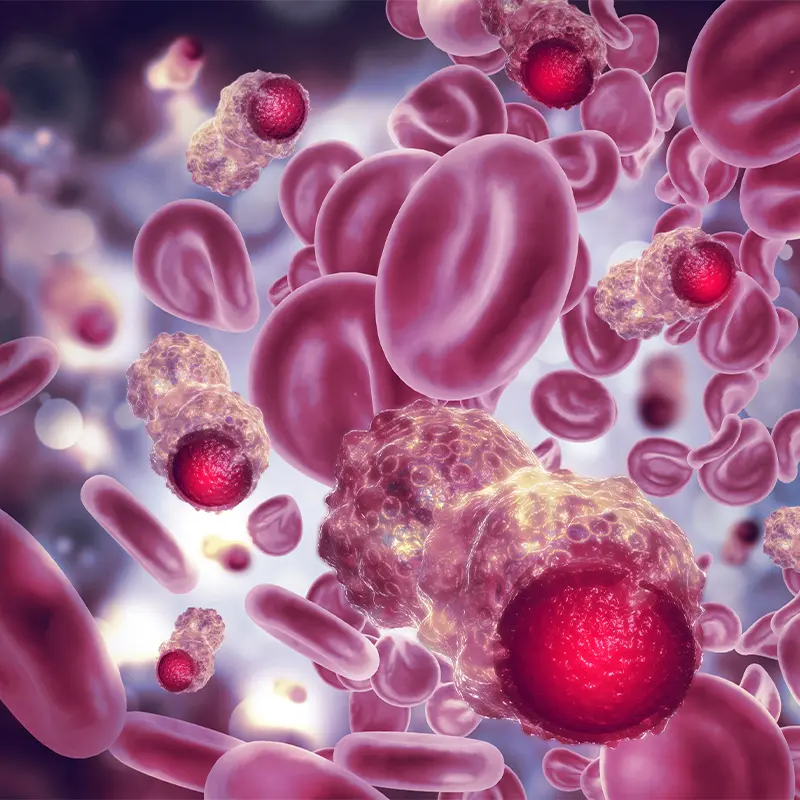
Surgery for gallbladder cancer usually involves a radical cholecystectomy, where the gallbladder and all lymph nodes are removed. The goal of this intervention is to eliminate all cancer cells and prevent further spread of the disease.
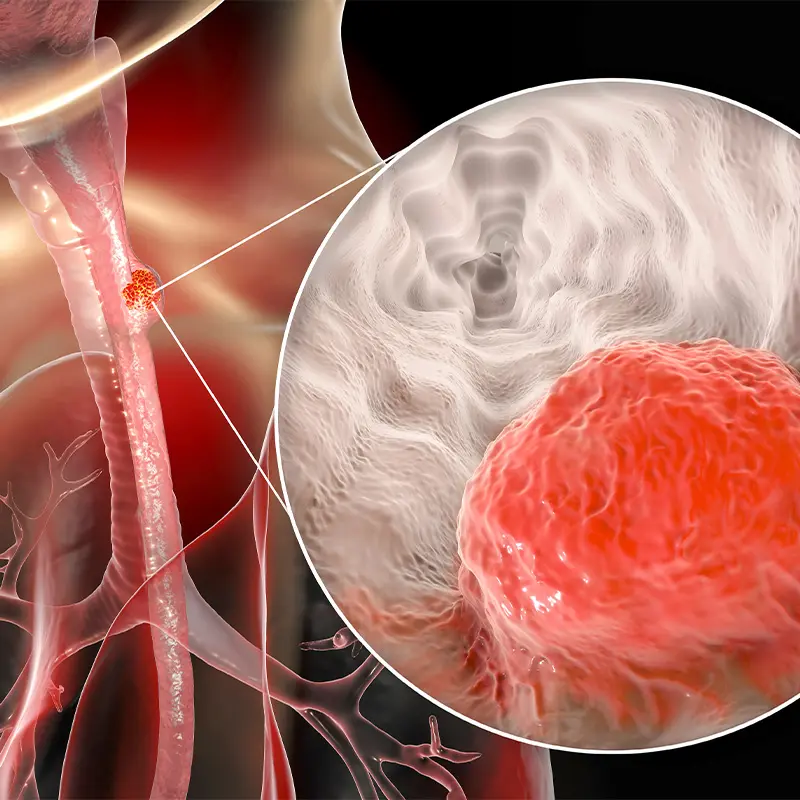
Surgical intervention for esophageal cancer often involves open esophagectomy, in which the affected part of the esophagus is removed, and then the healthy side is connected to the stomach. The operation can also be performed through minimally invasive techniques in the case of small tumors.

Oncological biopsy is a surgical intervention used to detect and confirm the presence of cancerous cells in the body. This process helps determine the type and degree of malignancy of the cells, being an essential step in planning appropriate treatment.
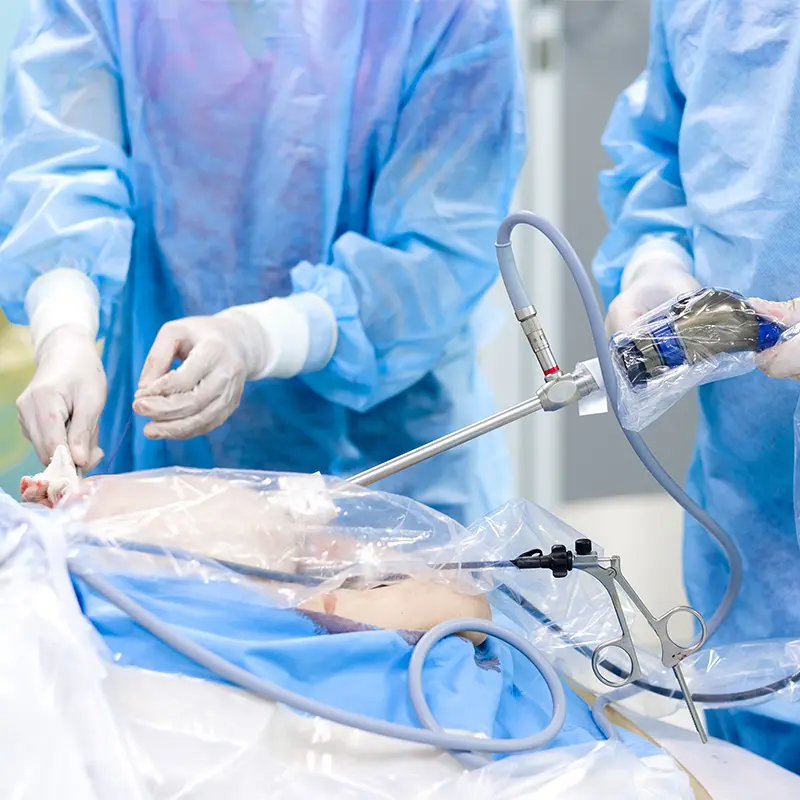
Cytoreductive surgery is a type of intervention in which as much as possible of a malignant tumor is removed to reduce the number of cancer cells and improve the effectiveness of subsequent treatments. While it does not completely cure the condition, it slows down the progression of the disease.
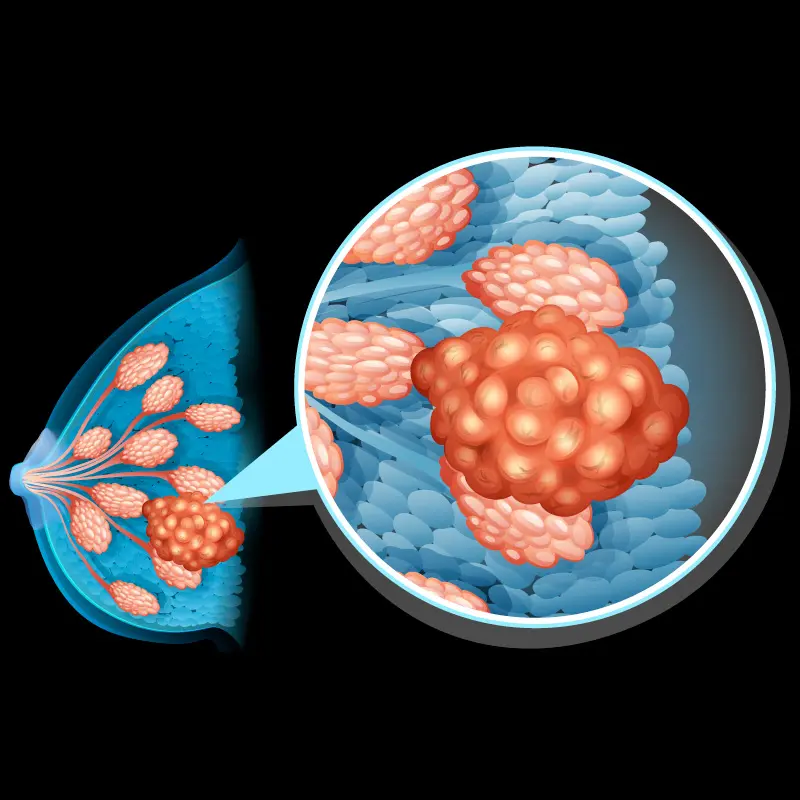
Surgery for breast cancer may involve removing the tumor and a small portion of healthy tissue surrounding it or a mastectomy, which involves removing the entire breast. In some cases, removal of axillary lymph nodes may also be necessary.